
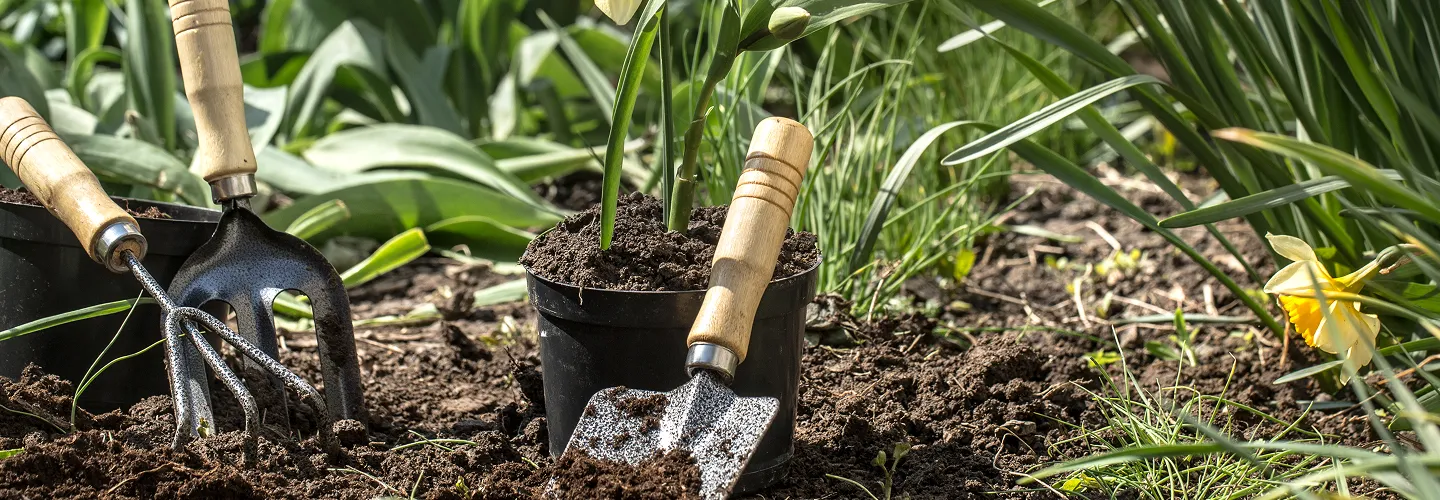
Cooper Commons Lawn Renovation Services
Choose our expert lawn renovation services for a lush, healthy yard that boosts curb appeal and creates a welcoming outdoor space for your family to enjoy.
Get a Free QuoteOur Cooper Commons Landscaping & Yard Care Services
When to Schedule Lawn Renovation in Cooper Commons, Arizona – Seasonal Guide
In Cooper Commons, Arizona, timing your lawn renovation is crucial for achieving a lush, healthy yard that thrives in our unique desert climate. The best periods for lawn renovation are typically early spring and early fall, when temperatures are moderate and the risk of extreme heat or frost is minimal. These windows allow new grass seed or sod to establish strong roots before the intense summer sun or occasional winter chill sets in. Local neighborhoods like The Islands and Sun Groves often experience microclimates due to varying shade coverage and proximity to greenbelts, so it's important to consider your specific location within Cooper Commons.
Environmental factors such as Chandler’s average last frost date in late February, the region’s susceptibility to drought, and the alkaline, clay-heavy soils common in our area all play a role in determining the optimal renovation schedule. Homeowners should also be aware of municipal watering restrictions, which can impact the success of new lawns. For more information on local guidelines and resources, visit the official Sudbury municipal site.
Local Factors to Consider for Lawn Renovation in Cooper Commons
- Tree density and shade coverage, especially near Veterans Oasis Park
- Soil composition (clay, sand, or loam) and drainage
- Seasonal precipitation patterns and drought risk
- Terrain slope and potential for runoff
- Municipal watering schedules and restrictions
- Proximity to landmarks or greenbelts that may affect microclimates
Benefits of Lawn Renovation in Cooper Commons
Enhanced Curb Appeal
Improved Lawn Health
Increased Property Value
Expert Local Knowledge
Efficient Water Usage
Customized Landscaping Solutions
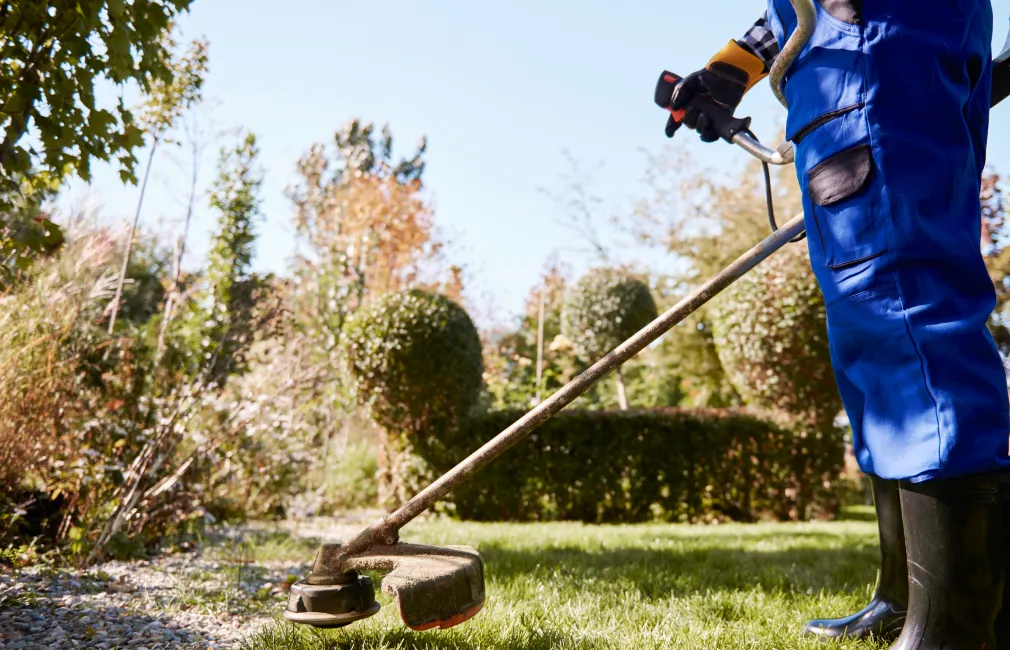
Cooper Commons Lawn Renovation Types

Sod Installation
-
Hydroseeding
-
Overseeding
-
Soil Amendment
-
Aeration and Dethatching
-
Irrigation System Upgrades
-
Native Grass Conversion
Our Lawn Renovation Process
Site Evaluation
Soil Preparation
Seeding or Sodding
Watering and Fertilization
Ongoing Maintenance
Why Choose Cooper Commons Landscape Services
-
Cooper Commons Homeowners Trust Us
-
Expert Lawn Maintenance
-
Reliable Irrigation Solutions
-
Comprehensive Weed Control
-
Competitive Pricing
-
Professional Team
-
Satisfaction Guarantee
Coordinating Lawn Renovation Projects Through Cooper Commons's Municipal Departments
Lawn renovation in Cooper Commons—a master-planned community within the City of Chandler—requires coordination with several municipal departments before and during the project. Because renovation work often involves soil correction, grade adjustments, irrigation modifications, and turf replacement, residents and property managers should confirm whether the scope of their project triggers any site-work review through the city's development services division. Projects that alter drainage patterns, modify grading near property lines, or affect rights-of-way may require coordination with Chandler's engineering and public works staff.
Key coordination steps for lawn renovation in Cooper Commons include:
- Contacting Chandler Community Development to determine whether site-work review applies to grading or irrigation changes on the property
- Verifying green waste and debris disposal procedures through Chandler Public Works & Utilities, particularly for removed sod, soil spoils, and old irrigation components
- Consulting Chandler Water Services regarding current water-use guidelines during the establishment phase of new turf
Chandler Community Development
Official Website: Chandler Community Development
Chandler Public Works & Utilities Department
Official Website: Chandler Public Works & Utilities Department
How Cooper Commons's Low-Desert Soils and Heat Affect Lawn Renovation Outcomes
Cooper Commons sits within the Phoenix metropolitan low desert, classified under USDA Hardiness Zone 9b–10a, where summer temperatures routinely exceed 110°F and annual rainfall averages under eight inches. These conditions create a demanding environment for lawn renovation that differs substantially from temperate-climate turf recovery. According to the USDA Web Soil Survey, soils in the southeast Chandler area commonly include alkaline sandy loams and compacted subdivision fill, often underlain by caliche hardpan at variable depths.
Conditions that directly influence lawn renovation planning in Cooper Commons include:
- Soil alkalinity typically ranging above pH 7.5, which limits nutrient availability for iron, phosphorus, and zinc in recovering turf
- Caliche layers that impede root penetration and restrict drainage, often requiring mechanical breaking or amendment during renovation
- Salt accumulation from municipal and reclaimed irrigation water, which damages bermudagrass crowns and inhibits seed germination
- Reflected heat from block walls, concrete driveways, and decorative rock, intensifying turf stress along property edges
- Monsoon runoff from July through September that can erode freshly graded surfaces and wash away seed or amendments if drainage is not properly addressed
Navigating Cooper Commons's Regulatory Requirements for Lawn Renovation Compliance
Lawn renovation projects in Cooper Commons must comply with several layers of local, state, and federal environmental standards. The City of Chandler operates under Arizona DEQ Phase II MS4 stormwater requirements, which means sediment, fertilizer, and soil amendments must not be allowed to enter storm drains, retention basins, or drainage channels during or after renovation work. Contractors and property owners should ensure that exposed soil is stabilized promptly and that runoff from post-renovation irrigation does not carry nutrients or debris off-site.
- Any pesticide or herbicide application during lawn renovation must be performed by an applicator licensed through the Arizona Department of Agriculture, as required under Arizona Revised Statutes Title 3
- Irrigation system modifications should align with conservation guidance from the Arizona Department of Water Resources, particularly in areas served by reclaimed water
- Noxious weed species identified by the Arizona Department of Agriculture must be addressed during renovation rather than buried or left in place
- Properties adjacent to washes or retention basins should verify setback and disturbance limitations with Chandler's development services staff
Chandler Environmental Management
Official Website: Chandler Environmental Management
Timing and Methods for Lawn Renovation in Cooper Commons's Extreme Climate
Professional lawn renovation in the low desert follows a seasonal framework dictated by bermudagrass growth cycles and Arizona's monsoon pattern. The University of Arizona Cooperative Extension identifies late spring through early summer—typically April through June—as the primary window for bermudagrass renovation, when soil temperatures consistently exceed 65°F and active growth supports rapid recovery. Renovation performed outside this window risks poor establishment and wasted water.
Standard renovation methods applicable to Cooper Commons properties include:
- Soil correction: amending alkaline or salt-affected soils with sulfur or gypsum based on soil test results, and breaking through caliche where drainage is impaired
- Grade repair: correcting low spots, settlement areas, and uneven surfaces that cause scalping or standing water, particularly in newer subdivision lots built on compacted fill
- Irrigation audit: evaluating head-to-head coverage, eliminating dry spots, and adjusting run times to support turf recovery without contributing to stormwater runoff
- Worn turf recovery: vertically mowing or dethatching existing bermudagrass, followed by topdressing and targeted overseeding or sprigging to restore density
- Compaction repair: core aerating to a depth of roughly two to three inches to improve water infiltration and root development in heavily trafficked or clay-heavy areas
The Turfgrass Maintenance Guide for Low Elevation Arizona provides additional species-specific guidance for bermudagrass and hybrid cultivars commonly used in Chandler-area residential landscapes.
What Neighborhoods Do We Serve Throughout Cooper Commons, AZ?
- Cooper Commons Phase 1 — Original homesites with established bermudagrass lawns that frequently exhibit thatch buildup, salt stress, and irrigation system aging requiring comprehensive renovation
- Cooper Commons Phase 2 — Newer lots where compacted subdivision fill and shallow topsoil layers often necessitate soil correction and grade repair during turf recovery
- Cooper Commons Phase 3 — Properties with smaller rear yards and significant reflected heat from adjacent block walls, creating localized turf stress along perimeter edges
- Fulton Ranch (adjacent) — Nearby community with similar soil and irrigation conditions where lawn renovation projects must account for HOA landscape standards and retention basin proximity
- Cooper Crossing (adjacent) — Bordering subdivision where mature landscaping and older irrigation infrastructure often require full system audits as part of any renovation scope