
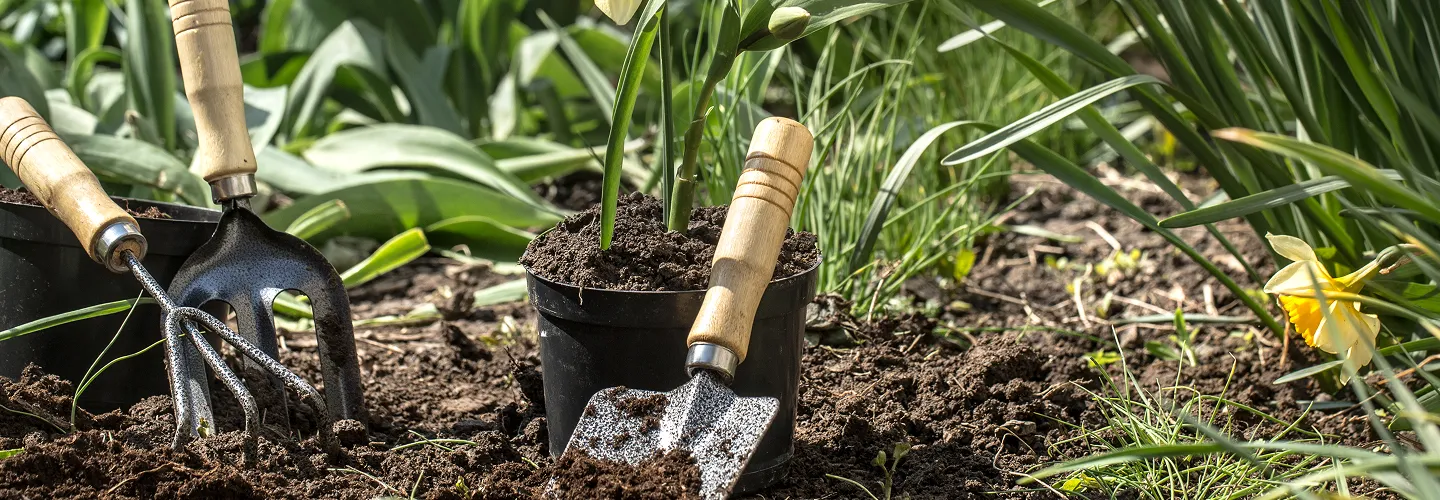
Cooper Commons Lawn Installation Services
Choose our expert lawn installation for a seamless, hassle-free transformation that delivers a vibrant, healthy yard built to thrive in Cooper Commons—backed by quality materials, skilled professionals, and a commitment to your satisfaction.
Get a Free QuoteOur Cooper Commons Landscaping & Yard Care Services
When to Schedule Lawn Installation in Cooper Commons, Arizona – Seasonal Guide
Choosing the right time for lawn installation in Cooper Commons is crucial for achieving a healthy, resilient yard. The best periods are typically late spring and early fall, when temperatures are moderate and the risk of extreme heat or unexpected frost is low. Cooper Commons, nestled near the Chandler Heights corridor and close to Veterans Oasis Park, experiences hot, dry summers and mild winters, making timing especially important for new turf establishment.
Local environmental factors such as the region’s clay-heavy soil, variable humidity, and the prevalence of shaded lots—especially in neighborhoods like Sun Groves—can all impact the success of your lawn installation. It’s also important to consider municipal watering restrictions and drought advisories, which can affect both the timing and maintenance of your new lawn. For more information on local guidelines, visit the official city resource.
Local Factors to Consider for Lawn Installation in Cooper Commons
- Proximity to mature trees and resulting shade coverage
- Soil composition and drainage, especially in areas with compacted clay
- Seasonal precipitation patterns and drought risk
- Frost dates, typically late November to early February
- Terrain slope and potential for water runoff
- Municipal watering schedules and restrictions
Benefits of Lawn Installation in Cooper Commons
Expert Landscaping Services
Customized Lawn Solutions
Efficient Project Completion
High-Quality Sod and Materials
Enhanced Curb Appeal
Ongoing Lawn Maintenance Support
Cooper Commons Lawn Installation Types

Sod Installation
-
Hydroseeding
-
Artificial Turf Installation
-
Native Grass Planting
-
Overseeding Existing Lawns
-
Sprigging and Plugging
-
Drought-Tolerant Lawn Solutions
Our Lawn Installation Process
Site Evaluation
Soil Preparation
Lawn Installation
Watering and Initial Care
Why Choose Cooper Commons Landscape Services
-
Cooper Commons Homeowners Trust Us
-
Expert Lawn Maintenance
-
Reliable Irrigation Solutions
-
Comprehensive Weed Control
-
Competitive Pricing
-
Professional Team
-
Satisfaction Guarantee
Coordinating Lawn Installation Projects with Cooper Commons Municipal Departments in Chandler
Lawn installation in Cooper Commons requires coordination with several City of Chandler departments before ground preparation begins. Because Cooper Commons is a master-planned community within Chandler's jurisdiction, residents and property managers should verify that any proposed grading, irrigation tie-in, or drainage modification aligns with municipal development standards. The City of Chandler's development services division handles site work review and code compliance for residential landscape projects that involve changes to existing grade or drainage flow. Property owners planning to remove existing hardscape or xeriscape to install live turf should confirm whether the scope triggers a review through the building safety office, particularly when irrigation lines cross utility easements or when work occurs near retention basins.
- Confirm grading and drainage modifications comply with Chandler's site development standards before excavation
- Verify irrigation connections with Chandler Water Services, especially regarding meter capacity and backflow prevention requirements
- Coordinate green waste and soil debris removal through the City of Chandler's public works protocols to avoid improper disposal
Chandler Community Development
Official Website: Chandler Community Development
Chandler Water Services
Official Website: Chandler Water Services
How Cooper Commons's Low-Desert Soil and Heat Conditions Affect Lawn Installation
Cooper Commons sits within the Phoenix metropolitan low desert, classified under USDA Hardiness Zone 9b, where summer surface temperatures routinely exceed 110°F on exposed soil. This extreme heat environment directly shapes every phase of lawn installation, from subgrade preparation to sod establishment. Soils throughout the southeast Chandler area commonly feature alkaline sandy loam with pH levels ranging from 7.5 to 8.5, often underlain by caliche hardpan at variable depths. These calcareous layers impede root penetration and restrict drainage unless mechanically fractured or amended prior to turf placement.
- Caliche obstruction: Subsurface caliche layers may require ripping or removal to allow adequate root-zone depth and water infiltration for bermudagrass or similar warm-season turf
- Alkaline soil chemistry: High pH reduces availability of iron, manganese, and phosphorus, often necessitating sulfur-based amendments or chelated micronutrient applications during soil preparation
- Reflected heat: Block walls, concrete patios, and decomposed granite borders common in Cooper Commons amplify radiant heat stress on newly installed turf edges
- Monsoon runoff: The July-through-September monsoon season delivers intense, short-duration rainfall that can wash out freshly graded subsoil and displace sod seams if drainage has not been properly established
The University of Arizona Cooperative Extension provides region-specific guidance on turf species selection and soil amendment strategies suited to these low-elevation desert conditions.
Navigating Cooper Commons's Regulatory Requirements for Residential Lawn Installation
Residential lawn installation in Cooper Commons must comply with both City of Chandler municipal codes and applicable state environmental standards. While a standard residential sod installation on an existing lot typically does not require a building permit, projects that alter site drainage, modify grade elevations, or connect new irrigation infrastructure to the municipal water system may trigger review through Chandler's development services. Property owners should verify current requirements with the building safety office before beginning work that affects stormwater flow patterns or utility easements.
- Stormwater runoff from lawn installation sites must not carry sediment, soil amendments, or fertilizer into storm drains, retention basins, or drainage channels, consistent with Arizona DEQ Phase II MS4 requirements
- Any pesticide or pre-emergent herbicide applied during or after installation must be handled by applicators licensed through the Arizona Department of Agriculture
- The Arizona Department of Water Resources encourages water-efficient landscaping practices, and residents within the Phoenix Active Management Area should be aware of conservation guidelines that may influence turf area sizing
- HOA covenants within Cooper Commons may impose additional restrictions on turf species, front-yard coverage percentages, and irrigation system specifications; these should be confirmed with the community's management entity before installation
Chandler Building Safety, Plan Review, Permits & Inspections
Official Website: Chandler Building Safety, Plan Review, Permits & Inspections
Timing and Methods for Lawn Installation in Cooper Commons's Desert Climate
Professional lawn installation in Cooper Commons follows a seasonal framework dictated by the region's extreme heat and monsoon cycles. The Turfgrass Maintenance Guide for Low Elevation Arizona identifies bermudagrass as the primary warm-season turf for this region, with optimal sod installation windows falling between mid-April and early September when soil temperatures consistently exceed 80°F and active root establishment is most vigorous. Late-spring installations, particularly in May and June, allow maximum growing-season recovery before the monsoon period introduces heavy rainfall.
- Subgrade preparation: Remove existing debris, rocks, and organic matter to a minimum depth of four to six inches; rip or fracture caliche layers where present to improve drainage and root penetration
- Soil amendment: Incorporate gypsum or sulfur into alkaline native soil to improve structure and nutrient availability; blend in composted organic matter to enhance water retention in sandy profiles
- Irrigation pre-installation: Install and pressure-test the irrigation system before sod delivery to ensure uniform coverage; rotary heads or matched-precipitation-rate spray nozzles should be zoned to avoid overspray onto hardscape
- Sod placement: Lay sod within hours of delivery to prevent heat desiccation; stagger seams tightly and roll to ensure full soil contact; begin irrigation immediately after placement with multiple short cycles daily during the first two weeks
- Runoff management: During the establishment watering period, monitor for runoff leaving the property and adjust cycle durations to prevent sediment or nutrient discharge into adjacent storm infrastructure
Avoid installing sod during peak monsoon months (mid-July through August) when unpredictable heavy rainfall can erode prepared subgrade and displace freshly laid turf before root anchoring occurs.
What Neighborhoods Do We Serve Throughout Cooper Commons, AZ?
- Cooper Commons Phase 1: Original homesites with established irrigation infrastructure and mature shade trees that may require turf species selection accounting for partial shade and root competition
- Cooper Commons Phase 2: Newer construction lots where compacted subdivision fill and imported topsoil layers often require additional subgrade preparation before sod placement
- Cooper Commons Phase 3: Properties adjacent to community retention basins and drainage corridors where lawn installation must account for stormwater flow patterns and setback considerations
- Cooper Commons Parks Edge: Homes bordering community park areas with shared irrigation easements and HOA landscape standards that may dictate turf type and maintenance expectations
- Cooper Commons Central: Interior lots with smaller rear yards surrounded by block walls, where reflected heat intensifies turf stress and irrigation uniformity becomes critical during summer establishment