
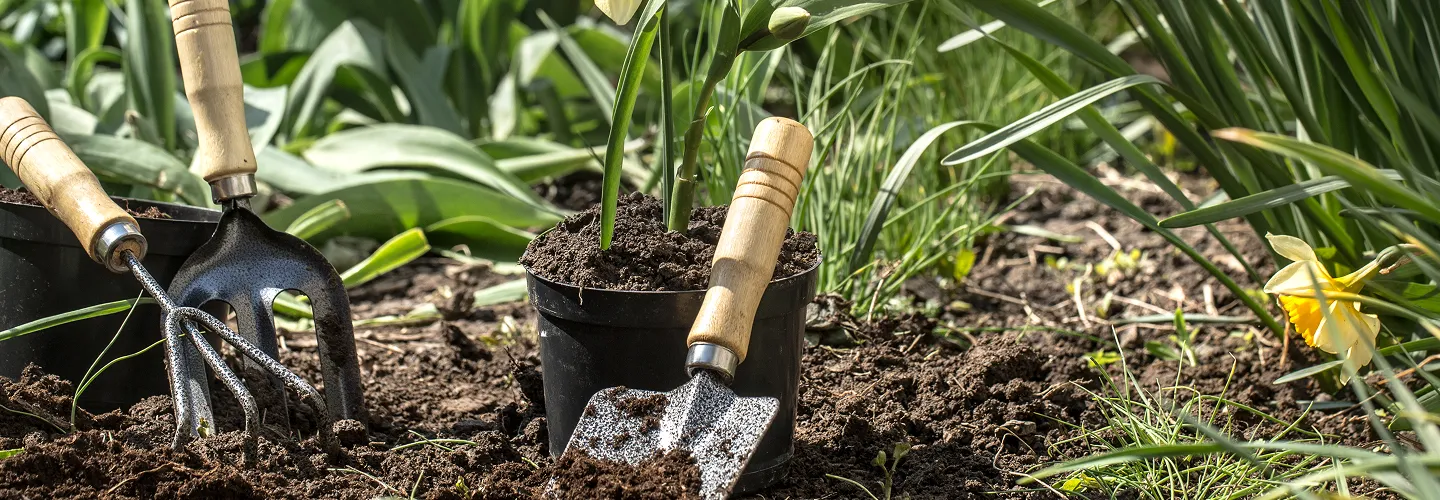
Cooper Commons Plant Removal Services
Choose our Plant Removal service for safe, thorough, and eco-friendly solutions that restore your landscape’s beauty while saving you time and effort.
Get a Free QuoteOur Cooper Commons Landscaping & Yard Care Services
When to Schedule Plant Removal in Cooper Commons, Arizona – Seasonal Guide
In Cooper Commons, Arizona, timing your plant removal is crucial for both the health of your landscape and compliance with local guidelines. The best periods for plant removal typically fall between late winter and early spring, just after the last frost date and before the intense summer heat sets in. This window allows for easier root extraction and minimizes stress on surrounding vegetation. Given the arid climate and unique soil composition found in neighborhoods like The Islands and near the Chandler Municipal Airport, it’s important to consider how seasonal drought risk and fluctuating humidity levels can impact both the removal process and subsequent replanting efforts.
Local environmental factors such as shade coverage from mature mesquite trees, the prevalence of clay-heavy soils, and municipal restrictions on debris disposal all play a role in determining the optimal time for plant removal. For residents near Veterans Oasis Park or along Cooper Road, understanding these variables ensures a smoother, more efficient project. For more information on local regulations and best practices, visit the official city resource.
Local Factors to Consider for Plant Removal in Cooper Commons
- Tree density and proximity to structures
- Soil type (e.g., clay, sandy, or rocky)
- Seasonal precipitation and drought risk
- Frost dates and temperature fluctuations
- Shade coverage and sun exposure
- Terrain slope and accessibility
- Municipal restrictions on plant and debris removal
Benefits of Plant Removal in Cooper Commons
Enhanced Curb Appeal
Improved Plant Health
Weed and Pest Control
Increased Property Value
Customized Landscaping Solutions
Efficient and Safe Removal
Cooper Commons Plant Removal Types

Tree Removal
-
Shrub Removal
-
Stump Grinding
-
Root Extraction
-
Invasive Species Removal
-
Hedge Clearing
-
Groundcover Removal
Our Plant Removal Process
Site Evaluation
Preparation and Safety Measures
Plant Extraction
Debris Removal
Site Restoration
Why Choose Cooper Commons Landscape Services
-
Cooper Commons Homeowners Trust Us
-
Expert Lawn Maintenance
-
Reliable Irrigation Solutions
-
Comprehensive Weed Control
-
Competitive Pricing
-
Professional Team
-
Satisfaction Guarantee
Coordinating Plant Removal Disposal and Public Works Services in Cooper Commons
Cooper Commons is a master-planned community within the City of Chandler, and all plant removal activities must align with Chandler's municipal waste handling and public works protocols. When plants are removed from residential or commercial properties, the resulting organic debris—root masses, stems, branches, and soil-bound material—must be disposed of through approved channels. Chandler's bulk trash and green waste collection programs govern how removed plant material is handled at the curb, including size limitations and scheduling requirements. Property owners and managers should verify current collection cycles and accepted material types directly with the city before staging debris.
- Root balls and large plant masses may exceed standard green waste container limits and require separate bulk pickup scheduling
- Organic debris from plant removal must not be deposited into storm drains, retention basins, or drainage channels
- Commercial-scale plant removal projects may require coordination with licensed haulers for transport to approved disposal facilities
Chandler Public Works & Utilities Department
Official Website: Chandler Public Works & Utilities Department
How Cooper Commons's Low-Desert Heat and Soils Affect Plant Removal
Cooper Commons sits within the Phoenix metropolitan low-desert environment, classified under USDA Hardiness Zone 9b to 10a, where summer temperatures routinely exceed 110°F and annual rainfall averages under eight inches. These conditions directly influence plant removal operations in several important ways. Soils throughout the Chandler area tend to be alkaline sandy loams, often underlain by caliche—a calcium carbonate hardpan that can extend several feet below grade. Root systems of established desert-adapted plants such as mesquite, palo verde, and oleander frequently penetrate or wrap around caliche layers, complicating extraction.
- Caliche layers may require mechanical breaking during root-zone excavation, increasing project complexity and equipment needs
- Alkaline soils with low organic content are prone to wind erosion once plant cover is removed, necessitating prompt site stabilization
- Monsoon storms from July through September can rapidly mobilize exposed soil into washes and retention basins if removal sites are left unprotected
- Reflected heat from block walls and concrete hardscape accelerates soil drying at removal sites, making post-removal irrigation or stabilization time-sensitive
Data from the USDA Web Soil Survey can help property owners and contractors identify specific soil series present on a parcel before beginning removal work.
Navigating Cooper Commons's Regulatory Requirements for Plant Removal Projects
Plant removal in Cooper Commons must comply with both City of Chandler municipal codes and applicable Arizona state regulations. Chandler's development and zoning codes may impose landscape requirements on certain property types, meaning that removing plants—particularly from required landscape setbacks, street frontages, or common areas—could trigger a review or replacement obligation. Property owners should confirm whether their parcel is subject to landscape plan conditions before removing established vegetation. The Arizona Department of Agriculture maintains a list of noxious weeds whose removal may be encouraged or required under state law.
- Removal of plants within rights-of-way or adjacent to public drainage infrastructure may require coordination with Chandler's development services
- If chemical herbicides are used to treat stumps or prevent regrowth, applicators must hold valid credentials under Arizona's pesticide licensing framework
- Stormwater compliance under Arizona DEQ's MS4 program requires that plant removal activities do not discharge sediment, soil, or organic material into the municipal storm sewer system
- HOA-governed parcels within Cooper Commons may have additional architectural review requirements for landscape modifications
Chandler Environmental Management
Official Website: Chandler Environmental Management
Chandler Planning & Zoning
Official Website: Chandler Planning & Zoning
Timing and Professional Methods for Plant Removal in Cooper Commons
Professional plant removal in the low desert requires careful attention to seasonal timing and site stabilization. The optimal window for most removal work falls between late October and early April, when temperatures are moderate enough for sustained physical labor and soil disturbance is less likely to result in rapid erosion. Removing plants during the monsoon season (July through September) introduces significant risk: exposed root zones and bare soil can wash into nearby retention basins and neighborhood drainage channels during intense storm events. Post-removal site stabilization is a critical step that distinguishes professional-grade work from incomplete service.
- Root-zone excavation should extend far enough to remove the primary root mass, particularly for species like oleander and African sumac that regenerate aggressively from remaining root fragments
- Backfilling excavated areas with clean fill material and compacting to match surrounding grade prevents settlement and drainage disruption
- Applying decomposed granite, gravel, or approved ground cover immediately after removal reduces wind erosion and weed colonization
- When removing plants near drip irrigation lines, all damaged emitters, supply tubing, and valves should be capped or rerouted to prevent water waste and comply with Arizona Department of Water Resources landscaping conservation guidance
- Stump grinding or chemical stump treatment should follow Arizona DEQ stormwater best practices to prevent runoff of treated material
What Neighborhoods Do We Serve Throughout Cooper Commons, AZ?
- Cooper Commons Phase 1 — Mature landscaping with established oleander hedges and shade trees often requires careful root-zone management during removal to avoid disturbing adjacent irrigation systems and block-wall footings.
- Cooper Commons Phase 2 — Newer subdivision fill soils and compact lot sizes mean plant removal frequently involves working in tight spaces between homes, with limited equipment access along side yards.
- Cooper Commons Phase 3 — Properties bordering community retention basins require particular attention to sediment control and post-removal stabilization to protect shared drainage infrastructure.
- Cooper Commons Parks and Common Areas — HOA-maintained landscape zones along streetscapes and community entries may be subject to architectural review before any plant removal is initiated.
- Cooper Commons Perimeter Lots — Homes adjacent to arterial roads such as Cooper Road or Queen Creek Road face elevated reflected heat and dust exposure, making prompt ground-cover replacement after plant removal especially important.