
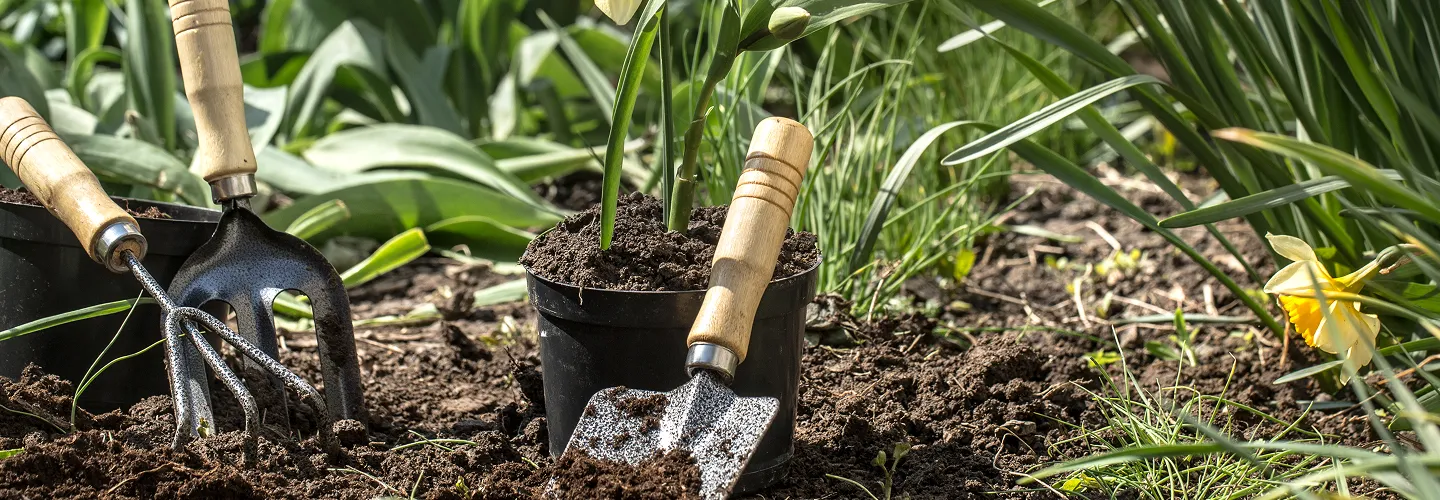
Cooper Commons Flower Bed Maintenance Services
Choose our Flower Bed Maintenance for expert care, vibrant blooms, and a weed-free landscape—so you can enjoy a beautiful, thriving garden without the hassle.
Get a Free QuoteOur Cooper Commons Landscaping & Yard Care Services
When to Schedule Flower Bed Maintenance in Cooper Commons, Arizona – Seasonal Guide
In Cooper Commons, Arizona, the timing of flower bed maintenance is crucial for keeping your landscape vibrant and healthy throughout the year. Due to our region’s unique climate—marked by hot, dry summers and mild winters—most homeowners find that early spring and late fall are the best times for comprehensive flower bed care. These periods allow you to prepare your beds before the intense summer heat or after the monsoon season, ensuring plants have the best chance to thrive.
Local factors such as the proximity to the Chandler Heights Wash, the shade provided by mature trees in neighborhoods like The Springs, and the area’s characteristic sandy-loam soil all play a role in determining the ideal maintenance schedule. It’s also important to consider Cooper Commons’ average last frost date in early February and the increased drought risk during late summer. For more information on local environmental guidelines, visit the Sudbury municipal resource.
Local Factors to Consider for Flower Bed Maintenance in Cooper Commons
- Tree density and shade coverage, especially near community parks and greenbelts
- Soil type and drainage, with sandy-loam being common in the area
- Seasonal precipitation patterns, including monsoon storms
- Municipal watering restrictions and HOA guidelines
- Proximity to natural features like Chandler Heights Wash
- Risk of late frosts or early heatwaves
- Terrain variations between neighborhoods
Benefits of Flower Bed Maintenance in Cooper Commons
Enhanced Curb Appeal
Weed and Pest Prevention
Healthier Plant Growth
Seasonal Color Management
Professional Landscape Expertise
Time and Effort Savings
Cooper Commons Flower Bed Maintenance Types

Seasonal Flower Planting
-
Weed Control Services
-
Mulching and Soil Conditioning
-
Pruning and Deadheading
-
Fertilization Programs
-
Pest and Disease Management
-
Irrigation System Checks
Our Flower Bed Maintenance Process
Site Evaluation
Weed Removal
Soil Preparation
Plant Care
Mulching
Why Choose Cooper Commons Landscape Services
-
Cooper Commons Homeowners Trust Us
-
Expert Lawn Maintenance
-
Reliable Irrigation Solutions
-
Comprehensive Weed Control
-
Competitive Pricing
-
Professional Team
-
Satisfaction Guarantee
Coordinating Flower Bed Maintenance with Cooper Commons Municipal Programs in Chandler
Cooper Commons is a master-planned community within the City of Chandler, and residents undertaking flower bed maintenance should be aware of municipal programs that affect landscape upkeep. The City of Chandler manages green waste collection through its solid waste services, and organic debris generated during bed cleanup—such as spent annuals, pulled weeds, and trimmed perennial stems—must be disposed of according to current city guidelines. Residents should verify accepted materials and container requirements with the Public Works department before placing green waste at the curb. Properties adjacent to common-area landscaping or retention basins should also coordinate with their HOA to avoid conflicting maintenance schedules or irrigation disruptions.
- Dead plant material and pulled weeds should be bagged or bundled per city disposal standards
- Soil amendments and mulch deliveries should not obstruct sidewalks, curb inlets, or drainage paths
- Flower bed runoff containing fertilizer or soil sediment must be kept out of storm drains and retention basins
- Residents near shared landscape corridors should confirm maintenance boundaries with their association
Chandler Public Works & Utilities Department
Official Website: Chandler Public Works & Utilities Department
Chandler's Urban Forestry program also provides guidance on tree and shrub management in public-facing areas, which may influence how flower beds are maintained beneath canopy zones along streetscapes and park edges.
How Cooper Commons's Low-Desert Heat and Alkaline Soils Affect Flower Beds
Cooper Commons sits within the Phoenix metropolitan low desert, classified under USDA Hardiness Zone 9b to 10a. This designation shapes every aspect of flower bed maintenance, from species selection to irrigation scheduling. Soils throughout the Chandler area tend to be alkaline, often with pH levels above 7.5, and may include layers of caliche or compacted subdivision fill that restrict root penetration and drainage. The USDA Web Soil Survey indicates that many residential parcels in this part of the East Valley contain sandy loam or clay loam profiles with limited organic matter.
- Summer heat exposure: Flower beds along south- and west-facing walls experience reflected heat that can push surface temperatures well above ambient air temperature, accelerating moisture loss and stressing shallow-rooted annuals
- Monsoon runoff: Intense July through September storms can wash mulch out of beds, erode exposed soil, and deposit sediment into adjacent hardscape or drainage infrastructure
- Irrigation dependence: Without consistent drip irrigation, flower beds in Cooper Commons cannot sustain seasonal color through the extended dry periods typical of the low desert
- Salt accumulation: Irrigation water in the East Valley may carry dissolved salts that concentrate in the root zone over time, requiring periodic deep watering to leach salts below the active root depth
The Arizona Department of Water Resources provides landscaping guidance that emphasizes hydrozoning and efficient emitter placement—both critical for maintaining flower beds in this climate.
Navigating Cooper Commons's Stormwater and Environmental Compliance for Flower Beds
Flower bed maintenance in Cooper Commons must account for Chandler's obligations under the Arizona DEQ Phase II MS4 program, which regulates pollutant discharge into the municipal storm sewer system. Fertilizers, herbicides, and loose soil from flower beds can become pollutants if they enter curb inlets, retention basins, or drainage channels during irrigation or storm events. The Clean Water Act establishes the federal framework under which these local stormwater requirements operate.
- Any chemical application to flower beds—including granular fertilizers and pre-emergent herbicides—must be performed by individuals holding appropriate credentials under the Arizona Department of Agriculture's licensing program when applied commercially
- Excess mulch, soil, or plant debris must not be swept or blown into street gutters or storm drains
- Properties bordering retention basins or drainage easements should maintain a vegetated buffer or gravel edge to slow runoff from irrigated beds
- Residents should confirm with Chandler's Environmental Management division whether specific landscape modifications near drainage corridors require review
Chandler Environmental Management
Official Website: Chandler Environmental Management
Noxious weed species identified by the Arizona Department of Agriculture should be removed promptly from flower beds to prevent spread into adjacent common areas or natural drainage corridors.
Timing Flower Bed Maintenance Around Cooper Commons's Seasonal Extremes
Professional flower bed maintenance in the Chandler low desert follows a seasonal rhythm dictated by extreme summer heat, mild winters, and the monsoon window. Proper timing of each maintenance task directly affects plant survival, water efficiency, and bed appearance.
- Fall planting (October–November): The primary window for installing cool-season annuals such as petunias, snapdragons, and pansies, which thrive through Chandler's mild winter months
- Spring transition (March–April): Cool-season flowers are removed and beds are prepared for warm-season plantings such as vinca, lantana, or zinnias that tolerate sustained heat
- Deadheading and cleanup: Spent blooms should be removed regularly to encourage continued flowering and reduce pest habitat; this is especially important before monsoon humidity increases disease pressure
- Mulch inspection: Organic mulch should be checked and replenished before monsoon season to prevent washout; a depth of roughly 2–3 inches is generally recommended by horticultural guidance for moisture retention and weed suppression
- Irrigation emitter checks: Drip emitters should be inspected monthly for clogging, displacement, or salt buildup at the emitter head, with particular attention after dust storms and monsoon events
- Weed suppression: Pre-emergent applications are most effective when timed before the late-summer monsoon weed flush and again before the winter germination cycle
Chandler Water Services
Official Website: Chandler Water Services
Residents should verify current watering restrictions and irrigation schedules through Chandler Water Services, as drought-stage adjustments may affect how frequently flower beds can be irrigated during peak summer months.
What Neighborhoods Do We Serve Throughout Cooper Commons, AZ?
- Cooper Commons Phase 1: Established lots with mature landscape plantings often require emitter reconfiguration and mulch replenishment as original bed designs age and root zones expand
- Cooper Commons Phase 2: Newer construction parcels may have compacted subdivision fill beneath flower beds, requiring soil amendment and improved drainage before seasonal plantings perform reliably
- Cooper Commons Phase 3: Properties along interior walking paths and common-area edges benefit from coordinated maintenance schedules that align with HOA landscape cycles
- Cooper Commons North: Homes with south-facing front yards experience elevated reflected heat from driveways and block walls, demanding heat-tolerant species and more frequent irrigation monitoring
- Cooper Commons South: Lots adjacent to retention basins or drainage easements require careful mulch anchoring and runoff management to prevent bed erosion during monsoon storms