
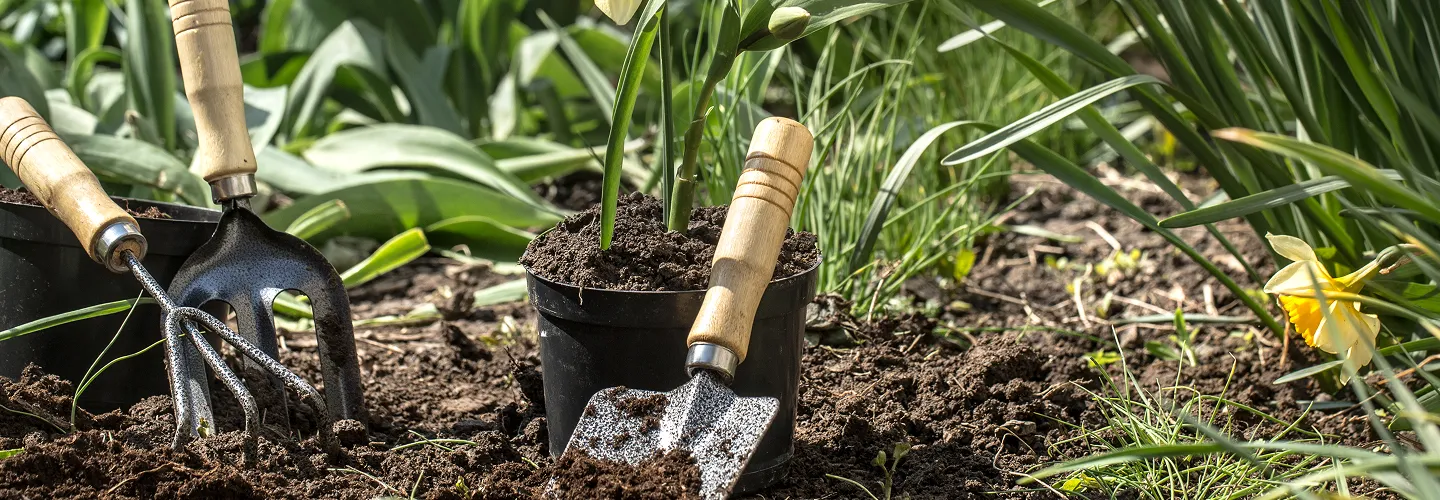
Cooper Commons Flower Planting Services
Choose our flower planting services for vibrant, healthy blooms that enhance your home's curb appeal and create a welcoming outdoor space, all handled by experienced professionals who care about your satisfaction.
Get a Free QuoteOur Cooper Commons Landscaping & Yard Care Services
When to Schedule Flower Planting in Cooper Commons, Arizona – Seasonal Guide
In Cooper Commons, Arizona, timing your flower planting is crucial for vibrant, long-lasting blooms. The region’s unique climate—marked by hot summers, mild winters, and occasional monsoon rains—means that early spring and late fall are generally the best windows for planting. Residents near Chandler Heights Road or the Veterans Oasis Park know that late February through April allows flowers to establish roots before the intense summer heat, while October to early November offers another opportunity as temperatures cool and soil remains warm.
Local environmental factors play a significant role in determining the best planting schedule. Cooper Commons experiences low humidity and sporadic rainfall, so drought-tolerant varieties often thrive. Be mindful of the area’s last frost date, typically in early February, and consider the shade provided by mature trees in neighborhoods like Sun Groves. Soil in this part of Arizona tends to be alkaline and well-draining, which can affect flower selection and care. For more information on local planting guidelines and municipal considerations, visit the official Sudbury resource.
Local Factors to Consider for Flower Planting in Cooper Commons
- Tree density and available shade in your yard
- Soil composition and drainage characteristics
- Average precipitation and drought risk
- Frost dates and seasonal temperature swings
- Terrain slope and sun exposure
- Municipal restrictions or HOA guidelines
Benefits of Flower Planting in Cooper Commons
Enhanced Curb Appeal
Seasonal Color Variety
Professional Plant Selection
Low-Maintenance Solutions
Eco-Friendly Landscaping
Increased Property Value

Cooper Commons Flower Planting Types

Seasonal Annual Flower Beds
-
Perennial Garden Installations
-
Native Wildflower Plantings
-
Pollinator-Friendly Gardens
-
Drought-Tolerant Flower Selections
-
Color-Themed Flower Displays
-
Edging and Border Flower Arrangements
Our Flower Planting Process
Site Evaluation
Soil Preparation
Plant Selection
Careful Planting
Watering and Mulching
Why Choose Cooper Commons Landscape Services
-
Cooper Commons Homeowners Trust Us
-
Expert Lawn Maintenance
-
Reliable Irrigation Solutions
-
Comprehensive Weed Control
-
Competitive Pricing
-
Professional Team
-
Satisfaction Guarantee
Coordinating Flower Planting Projects with Cooper Commons Municipal Programs in Chandler
Cooper Commons is a master-planned community within the City of Chandler, and all flower planting projects on residential and common-area properties fall under Chandler's municipal framework. Residents and property managers planning flower installations should coordinate with city departments to ensure landscape modifications align with neighborhood development standards and water conservation goals. Chandler's community development office can clarify whether proposed planting changes in front yards or common areas require review under neighborhood improvement guidelines. For properties adjacent to parks, greenbelts, or community open spaces, the city's urban forestry program may offer guidance on species compatibility and planting placement near public landscape zones.
- Confirm any HOA architectural review requirements before beginning flower planting in Cooper Commons
- Coordinate with Chandler's community development resources for neighborhood-level landscape standards
- Verify irrigation modifications comply with current Chandler Water Services conservation programs
Chandler Community Development
Official Website: Chandler Community Development
Chandler Urban Forestry
Official Website: Chandler Urban Forestry
How Cooper Commons's Low-Desert Heat and Alkaline Soils Affect Flower Planting
Cooper Commons sits in the Phoenix metro low desert at approximately 1,200 feet elevation, placing it within USDA Hardiness Zone 9b. This classification defines the range of flowering species that can survive winter lows and, more critically, the extreme summer heat that routinely exceeds 110°F. Soils throughout southeastern Chandler tend toward alkaline sandy loam with pH levels commonly above 7.5, and subsurface caliche layers can restrict root penetration and drainage. Imported topsoil and compacted subdivision fill are typical in newer developments like Cooper Commons, requiring soil amendment before planting.
- Reflected heat from block walls, concrete driveways, and light-colored stucco can raise microclimate temperatures by 10–15°F in planting beds adjacent to hardscape
- Monsoon storms from July through September deliver intense but brief rainfall, creating sheet-flow runoff that can wash out newly planted beds lacking proper mulch or edging
- Irrigation dependence is year-round; drip emitters are the standard delivery method for flower beds in low-desert subdivisions
- Salt accumulation from municipal water and reclaimed irrigation sources can stress sensitive flowering species over time
The Arizona Department of Water Resources provides landscaping guidance that emphasizes low-water-use plant selection suited to these conditions.
Navigating Cooper Commons's Regulatory Requirements for Flower Planting Compliance
Flower planting in Cooper Commons does not typically require a building permit from the City of Chandler, but several regulatory layers still apply. Properties within the community are subject to HOA covenants that may restrict plant species, bed dimensions, and placement relative to lot lines and common areas. Chandler's municipal code addresses stormwater management under the Arizona DEQ Phase II MS4 program, which means soil disturbance, fertilizer application, and irrigation runoff from flower beds must not introduce pollutants into storm drains, retention basins, or drainage channels.
- Pesticide and herbicide applications in flower beds require compliance with Arizona Department of Agriculture licensing standards for commercial applicators
- Soil amendments and fertilizers should be applied at rates that prevent nutrient-laden runoff from reaching curb inlets or washes, consistent with Clean Water Act protections
- Planting of species listed on the Arizona Department of Agriculture noxious weed list is prohibited statewide
- Verify current watering restrictions with Chandler Water Services before establishing new irrigation zones for flower beds
Chandler Environmental Management
Official Website: Chandler Environmental Management
Timing and Methods for Flower Planting in Cooper Commons's Desert Climate
Professional flower planting in the low desert follows two primary installation windows. The fall window, from mid-October through November, allows cool-season annuals such as petunias, pansies, snapdragons, and stock to establish root systems before winter lows. The spring window, from late February through mid-March, is appropriate for warm-season and desert-adapted species including vinca, lantana, angelonia, and pentas that tolerate sustained summer heat. Planting outside these windows subjects transplants to thermal shock and dramatically increases irrigation demand during establishment.
- Prepare beds by amending alkaline native soil with sulfur and organic compost to improve nutrient availability and drainage
- Install drip emitters at each plant location rather than relying on overhead spray, which wastes water and promotes foliar disease in arid conditions
- Apply 2–3 inches of organic or decorite mulch around plantings to moderate soil temperature, reduce evaporation, and prevent monsoon washout
- Position heat-sensitive species on north- or east-facing exposures where wall reflection is minimized
- Avoid planting during June, when soil surface temperatures can exceed 150°F and transplant survival rates drop significantly
- Schedule irrigation for early morning hours to reduce evaporative loss and allow foliage to dry before peak sun exposure
Residents can reference the USDA Web Soil Survey to identify specific soil characteristics on their parcel before selecting amendments.
What Neighborhoods Do We Serve Throughout Cooper Commons, AZ?
- Cooper Commons Phase 1 — Established lots with mature landscape beds that may require soil refreshment and emitter reconfiguration before replanting seasonal flowers
- Cooper Commons Phase 2 — Newer construction with compacted subdivision fill soils that typically need amendment with comite and organic matter to support healthy flower root development
- Cooper Commons Phase 3 — Properties near community retention basins where flower bed placement should account for monsoon drainage flow and avoid obstructing stormwater pathways
- Cooper Commons Greenbelt-Adjacent Lots — Homes bordering community open spaces and walking paths where flower planting must coordinate with HOA landscape standards and maintain visual consistency with common-area plantings
- Cooper Commons Interior Parcels — Interior lots with significant hardscape reflection from neighboring walls and driveways, requiring heat-tolerant species selection and strategic east-facing bed orientation